



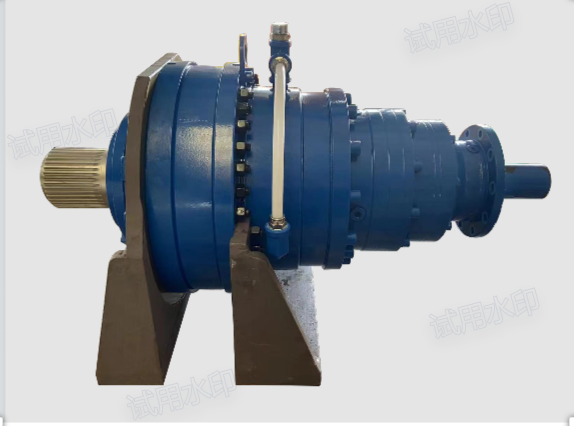
It appears that customers are facing challenges in selecting gearbox models due to significant variations in torque ratings among different brands. Here are some potential reasons for these discrepancies:
- Overstated Torque Ratings: Manufacturers may exaggerate the torque ratings of their gearboxes to make them appear more powerful or competitive. This can lead to differences between stated torque and actual performance.
- Short-Term vs. Long-Term Performance: While a gearbox may initially meet torque requirements, it may not sustain that level of performance over time. Factors like wear and tear, lubrication quality, and material durability can impact the gearbox's ability to consistently deliver torque.
- Variability in Load Conditions: Equipment loads can fluctuate, and instances where maximum torque is required may be rare. If gearboxes are tested or rated under ideal conditions, they may not perform as expected in real-world operating conditions with variable loads.
- Differences in Testing and Standards: Manufacturers may use different testing methods and standards for rating torque, leading to variations in reported values. Additionally, differing torque measurement and reporting standards between regions or industries can complicate brand comparisons.
To help customers navigate these challenges, providing comprehensive information about torque characteristics for different gearbox models is crucial. This includes both peak and sustained torque ratings under various operating conditions. Offering guidance on selecting the appropriate gearbox based on specific application requirements and long-term reliability considerations can also assist customers in making informed decisions amidst the complexities of torque